
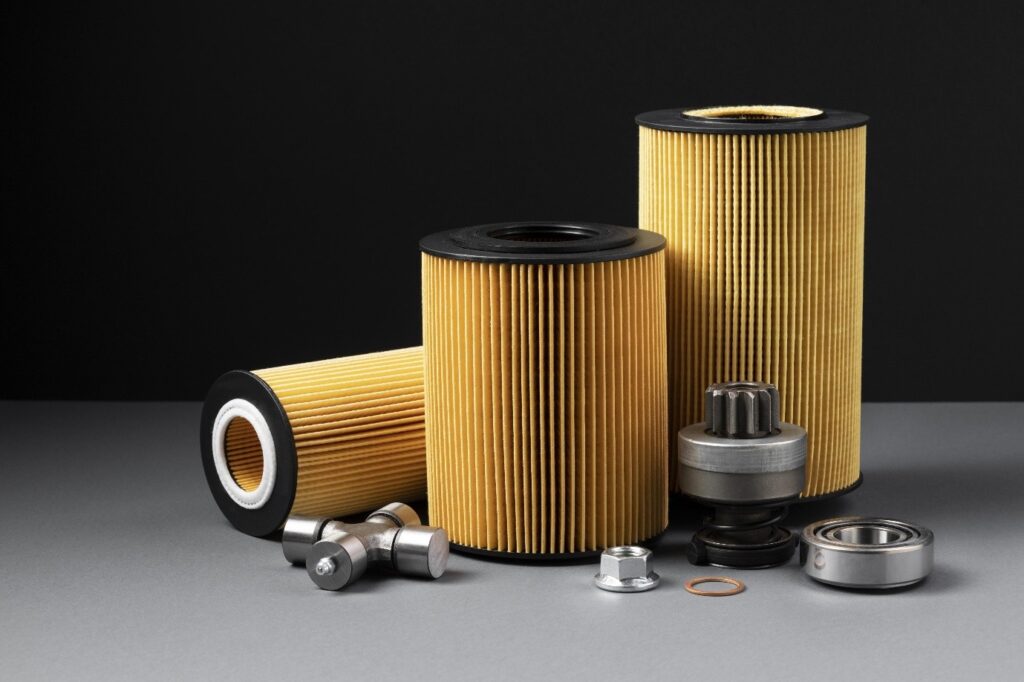
Why do compressors consume more oil, and how can an air and oil separator fix this issue?
When a compressor starts using more oil than usual, it often points to one hidden issue inside the system. Dust, pressure changes, and internal mixing can disturb normal oil flow. This is where an air and oil separator becomes important. It keeps oil inside the system and stops it from escaping with compressed air. When this part works properly, oil use becomes stable and controlled.
Understanding Excess Oil Consumption in Air Compressors
Compressors can start consuming more oil when internal balance is disturbed. Oil moves in places where only air should pass. Over time, this leads to higher oil usage and uneven performance. Small issues like blocked flow paths or worn internal parts can slowly increase oil demand. The system then tries to compensate, which makes consumption even higher.
Why Air and Oil Mixing Happens Inside Compressor Systems
Air and oil can mix inside compressors due to pressure movement and continuous cycling. When separation is weak, oil droplets stay in the air stream instead of returning back. This mixing creates extra oil loss and reduces clean air output. It also affects how smoothly the compressor runs during long operation hours.
Role of Air and Oil Separator in Compressor Efficiency
The air and oil separator removes oil particles from compressed air using a coalescence process. Oil aerosols get trapped in borosilicate glass fiber layers and merge into larger drops. These drops are then separated from the airflow inside the system. This keeps air cleaner and stops oil from escaping unnecessarily.
Key working points
- Captures oil aerosols inside fiber layers
- Uses coalescence separation for clean airflow
- Keeps oil inside the compressor system
Key Signs of a Faulty Air and Oil Separator
When the separator is not working well, the system shows clear changes:
- Oil level drops faster than normal
- Air output feels less clean
- Compressor runs under more pressure
These signs show that separation inside the system is not working correctly.
Impact of Oil Carryover on Compressor Performance and Output Quality
When oil enters the air stream, it reduces output quality. Machines connected to the compressor receive mixed air instead of clean air. This can affect equipment performance and lead to unstable operation. Over time, it also increases maintenance needs across the system.
Importance of Aftermarket Replacement Filters for Cost Efficiency
Aftermarket replacement filters are used to restore proper separation inside compressor systems. They match OEM standards using structured selection methods like OEM number, manufacturer reference, and part codes.
They are built using:
- Spin-on cartridge designs
- Stacked filtering elements
- Coalescing baffle systems
These options help match different compressor setups and keep performance stable.
How Proper Maintenance Reduces Oil Consumption in Compressors
Regular maintenance keeps separation smooth and prevents oil loss. When filters are checked and replaced on time, oil stays inside the system where it belongs. This reduces waste and keeps compressor performance steady during long working cycles.
Choosing the Right Air and Oil Separator for Industrial Applications
Selecting the correct separator depends on compressor type and working load. Rotary screw, blade, and industrial systems all need proper matching. Flow range also matters, from small systems to high-capacity setups reaching up to 45 m³/min. Correct selection keeps oil control stable and reduces system stress.
Time to Fix Oil Carryover Issues in Your Compressor System
A properly selected air and oil separator improves system balance and reduces oil loss. Companies like Warrior Filtration provide structured OEM-based matching to support correct selection and stable compressor performance in industrial use.
FAQs
1. Why does a compressor consume more oil?
Oil consumption increases when internal separation is weak, causing oil to mix with compressed air and escape the system instead of returning properly.
2. What does an air and oil separator do?
It removes oil aerosols from compressed air using fiber-based coalescence, keeping air clean and oil inside the system.
3. What are aftermarket replacement filters used for?
They replace worn separator units using OEM-based matching systems to maintain correct fit and stable compressor performance.
4. How can oil consumption be reduced in compressors?
Regular maintenance and timely replacement of separators help keep oil inside the system and reduce unnecessary loss.