How Maintenance Filters Protect Small Engines
Small engines are the backbone of many industries, powering everything from lawnmowers and generators to industrial equipment. However, these hardworking machines can’t perform at their best without proper upkeep. One of the simplest yet most effective ways to keep them running smoothly is by using small engine maintenance filters. These filters trap dirt, dust, and other contaminants, preventing them from causing damage and ensuring long-lasting performance.
At Warrior Filtration, we understand the importance of high-quality filters. Let’s explore how maintenance filters protect small engines and why they are a must-have for keeping your equipment in top shape.
Why Small Engines Need Maintenance Filters
Unlike larger engines, small engines often operate in dusty, dirty, and rugged environments. Whether they’re used in landscaping, construction, or industrial applications, exposure to airborne debris is unavoidable. Without proper filtration, contaminants can clog internal components, reduce efficiency, and lead to costly repairs.
Maintenance filters act as the first line of defense, ensuring only clean air, fuel, and oil reach the engine. By trapping harmful particles, they help prevent wear and tear, overheating, and performance issues.
Types of Maintenance Filters for Small Engines
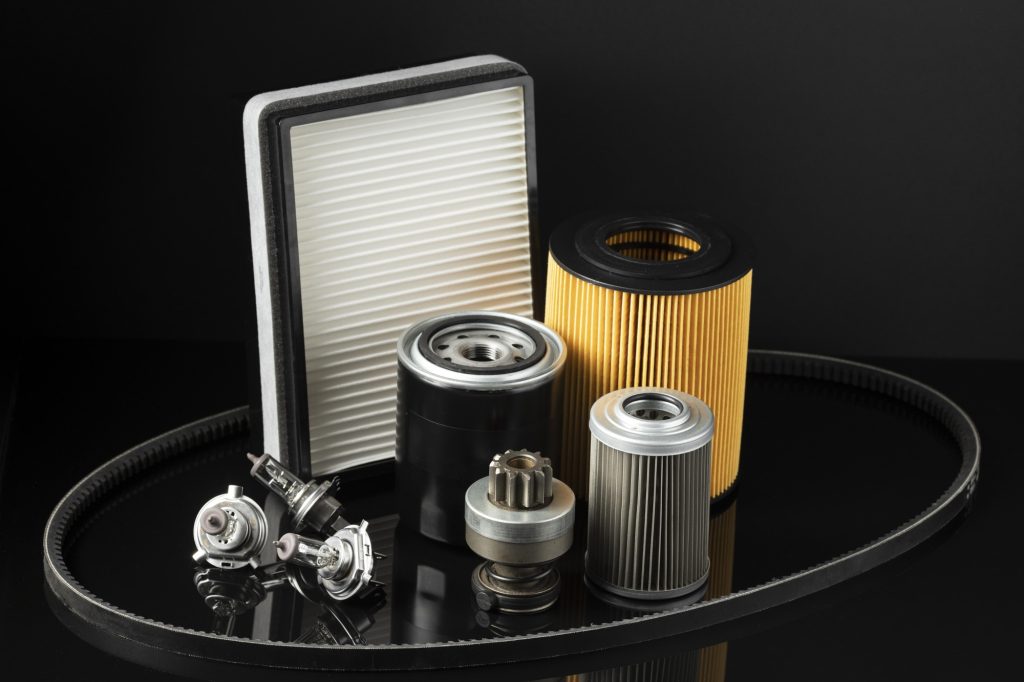
There are three main types of filters that play a crucial role in small engine maintenance:
1. Air Filters
Air filters prevent dust, pollen, and debris from entering the engine’s combustion chamber. A clogged air filter can reduce airflow, causing the engine to run rich, consume more fuel, and lose power. Regularly replacing or cleaning air filters helps maintain optimal performance and fuel efficiency.
2. Oil Filters
Oil is essential for lubricating engine parts and reducing friction. However, over time, dirt and metal particles can accumulate in the oil, leading to engine wear. Oil filters remove these contaminants, ensuring clean lubrication and extending the engine’s lifespan.
3. Fuel Filters
Fuel filters keep dirt, rust, and other impurities from reaching the carburetor or fuel injectors. A blocked fuel filter can cause poor fuel delivery, engine misfires, and even prevent the engine from starting. Replacing fuel filters at recommended intervals helps maintain smooth operation.
Benefits of Using High-Quality Maintenance Filters
Investing in premium small engine maintenance filters comes with several advantages:
- Longer Engine Life: Clean filters reduce strain on engine components, minimizing wear and tear.
- Improved Fuel Efficiency: A well-maintained filter system ensures the engine runs smoothly, consuming less fuel.
- Enhanced Performance: Proper filtration prevents blockages that can lead to power loss and overheating.
- Reduced Repairs: Clean oil, air, and fuel reduce the chances of breakdowns and costly repairs.
How Often Should You Replace Maintenance Filters?
The frequency of filter changes depends on usage and environmental conditions. For example:
- Air filters should be checked every 25 operating hours and replaced when dirty.
- Oil filters should be changed with every oil change, typically after 50-100 hours of use.
- Fuel filters should be replaced annually or whenever fuel flow issues arise.
Always refer to the equipment manufacturer’s recommendations for the best maintenance schedule.
Choosing the Right Filters for Your Small Engine
Not all filters are created equal. Poor-quality filters may fail to trap contaminants effectively, putting your engine at risk. That’s why Warrior Filtration provides high-quality filtration products designed for durability and efficiency. Our filters ensure optimal performance, whether you’re maintaining a lawnmower, industrial compressor, or portable generator.
When selecting filters, consider:
- Compatibility: Ensure the filter fits your specific engine model.
- Filtration Efficiency: Look for filters designed to capture fine particles without restricting airflow or oil flow.
- Build Quality: Choose filters made with durable materials that can withstand tough conditions.
Final Thoughts
Routine maintenance is key to keeping small engines running strong, and small engine maintenance filters play a major role in this process. By using high-quality air, oil, and fuel filters, you can extend the life of your equipment, improve performance, and reduce the risk of breakdowns.
At Warrior Filtration, we offer top-tier filtration products at competitive prices, ensuring your small engines stay protected in any environment. Don’t let dirt and debris cut your engine’s life short—invest in the right filters and keep your equipment running like new.
FAQs
- How do I know if my small engine filter needs replacing?
If you notice reduced power, increased fuel consumption, or black smoke from the exhaust, it’s time to check and possibly replace your filter.
- Can I clean and reuse my small engine air filter?
Foam filters can often be washed and reused, but paper filters should be replaced when dirty or clogged.
- What happens if I run a small engine without an air filter?
Running an engine without an air filter allows dirt and debris to enter, leading to internal damage, reduced performance, and costly repairs.