How Do Air Filters for Small Engines Protect Equipment from Dust and Debris?
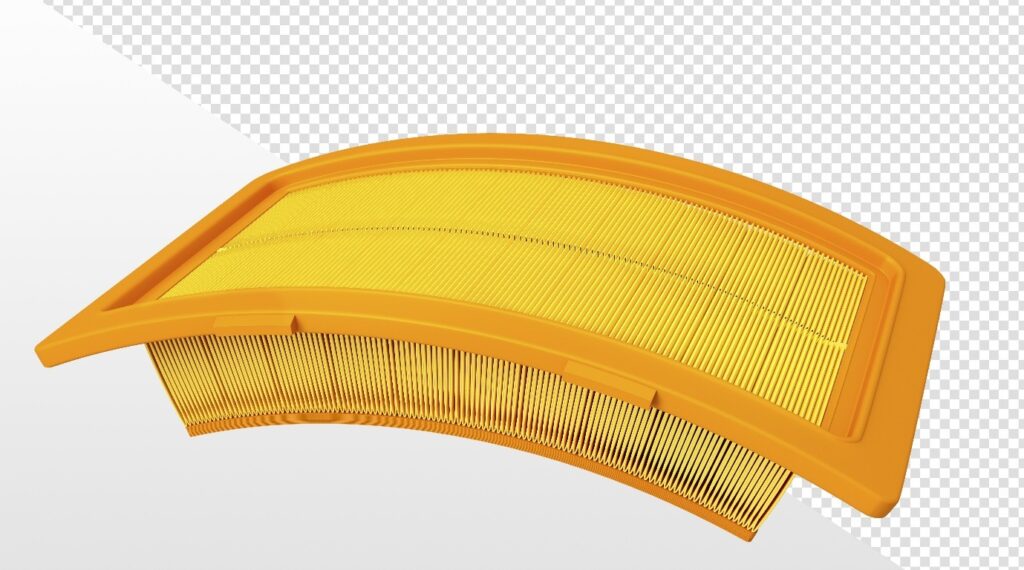
Dust and dirt can damage an engine every time it runs. Tiny particles enter through the air intake and can wear down important engine parts. That is why air filters for small engines are so important. They stop dust, dirt, debris, and other airborne particles before they reach the engine. This keeps the engine cleaner, supports smooth operation, and reduces damage over time. Clean air is one of the biggest reasons a small engine can keep running well for a longer time.
Why Dust and Debris Are a Serious Risk to Small Engine Performance
Small engines are used in places where there is plenty of dust and dirt. They are found on lawn mowers, trimmers, generators, screw compressors, piston compressors, vacuum pumps, marine engines, and other industrial equipment.
If dust enters the engine, it can wear out important parts much faster. The engine can lose power, become hotter than normal, and use more fuel. Over time, repairs can become more frequent because dirt keeps building up inside the engine.
How Air Filters for Small Engines Keep Contaminants Out of the Engine
The filtration process is easy to understand.
First, air enters the engine through the air intake.
Next, the filter catches dust, dirt, debris, and other airborne particles.
Then, only clean air moves into the combustion chamber.
This cleaner air supports better combustion, so the engine can continue running with less dirt inside. As a result, internal parts stay cleaner and wear more slowly.
Different filters use materials such as cellulose, synthetic media, or fiberglass. The right material depends on the equipment, working conditions, and filtration needs.
Why Small Engine Maintenance Filters Are Important for Long-Term Equipment Care
A small engine needs more than just clean air. Small engine maintenance filters protect different parts of the engine during normal operation.
Each filter has an important job.
- Air filters keep dust, pollen, and debris out while maintaining proper airflow.
- Oil filters remove dirt and tiny metal particles from engine oil, reducing friction between moving parts.
Fuel filters also keep contaminants out of the fuel system so fuel can move smoothly through the engine. Together, these filters reduce contamination, protect engine parts, support steady performance, and lower the chance of unexpected breakdowns.
Signs That an Air Filter Needs Inspection or Replacement
A dirty filter gives warning signs before it completely stops doing its job.
| Warning Sign | What It Means |
| Power loss | The engine is not getting enough clean air. |
| Poor airflow | The filter is becoming blocked. |
| Hard starting | Air cannot move through the filter properly. |
| Overheating | The engine is working harder than it should. |
Air filters should be checked about every 25 operating hours and replaced when they become dirty. Oil filters are normally replaced during each oil change, and fuel filters should be changed when fuel flow becomes restricted or according to the equipment manufacturer’s maintenance schedule.
How to Find the Right Replacement Filter for Your Equipment
Choosing the correct replacement starts with checking the engine model and the current filter number.
A cross-reference system makes this much easier. You can search by the OEM number, the replacement part number, or the OEM manufacturer to find a matching filter.
Before installing a replacement, check that it has the correct fit, proper sealing, good airflow, and the right filtration level for the equipment.
Why Regular Filter Maintenance Supports Reliable Equipment Operation
Regular maintenance keeps contaminants from building up inside the engine. Inspect the filter during scheduled maintenance. If you notice power loss, overheating, poor airflow, or hard starting, replace the dirty filter with the correct matching replacement.
Replacing filters on time protects engine parts, keeps airflow clean, reduces wear, and supports reliable operation for industrial and commercial equipment.
Keep Dust Out with the Right Replacement Filter
Need dependable Small engine maintenance filters for your equipment? Warrior Filtration offers replacement filters for many engine and equipment applications, along with an OEM cross-reference system that makes finding the correct replacement faster and more accurate.
FAQs
1. What do air filters do in a small engine?
They catch dust, dirt, debris, and other airborne particles before they enter the engine, allowing only cleaner air to reach the combustion chamber.
2. How often should an air filter be checked?
Air filters should be inspected about every 25 operating hours and replaced when they become dirty.
3. Why is the correct replacement filter important?
The correct filter provides proper airflow, a secure fit, effective sealing, and the right level of filtration for the equipment.
4. Which equipment uses these replacement filters?
They are used on small-capacity engines, screw compressors, piston compressors, vacuum pumps, marine engines, generators, lawn equipment, and other industrial machines.