
Are You Replacing the Right Air Filter? How to Verify a Small Engine Filter Before Ordering
Buying the right air filters for small engines starts with one thing: knowing exactly what your equipment needs. Check the old filter, part number, engine model, fit, and use before you order. A quick check can save you from buying the wrong filter.
Why the Right Filter Matters
An air filter keeps dirt and dust out of the engine. Air moves through the filter before it reaches the engine. The filter catches:
- Dust and dirt
- Debris and pollen
A clean filter also supports good airflow. A dirty filter can lead to poor airflow, power loss, higher fuel use, and more engine wear.
Start With the Old Filter
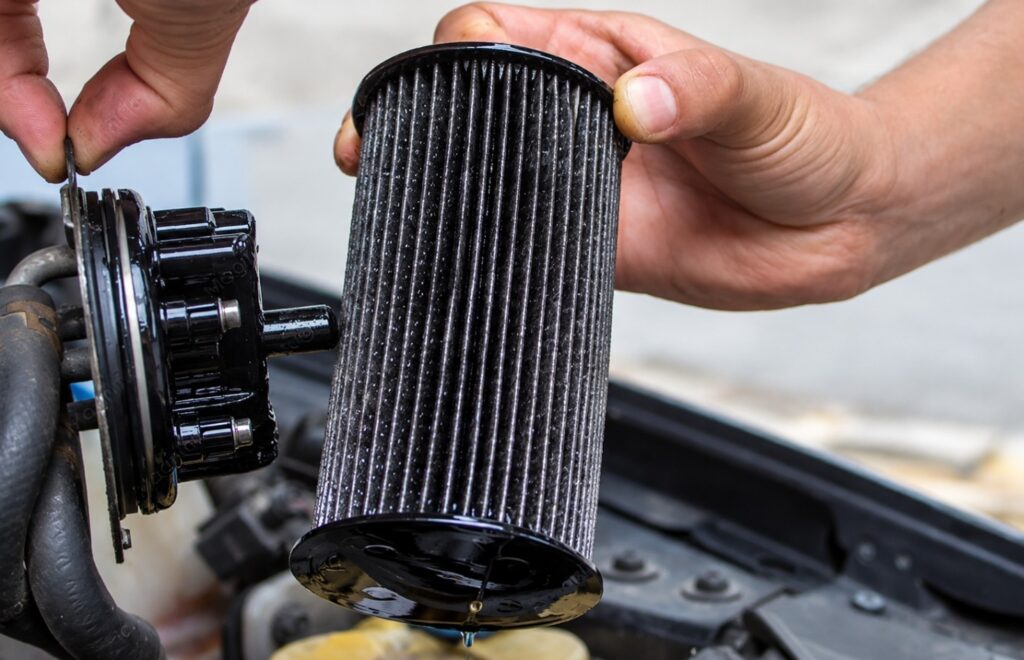
Your old filter is a good place to start. Take it out and look for a number or name. You might find the OEM number or another part number on the filter. Also check its shape and size. Look at how it fits inside the filter housing. Check the sealing area and the connection points. These details make the next search much easier.
Check the OEM and Part Number
The OEM number can point you to the right replacement. If you have the old filter number, search for that number first. You can also search by:
- OEM number
- Warrior part number
- Manufacturer name
- Product description
For example, ABAC AMERICAN OEM number 9056947 matches Warrior part WFSW-18410. The product is an air/oil separator.
Match the Filter to the Equipment
Small engines are used in many machines. The filter must match the equipment it goes into.
Small-engine uses include:
- Lawn mowers, trimmers, and generators
- Screw compressors, piston compressors, vacuum pumps, and marine engines
Start with the exact equipment model when you can. This gives you a better starting point than choosing a filter by looks alone.
Check the Fit, Seal, and Airflow
The replacement filter needs to fit the housing correctly.
Before ordering, check these four things:
| Check | What to Look For |
| Part number | Correct OEM or replacement number |
| Fit | Correct size and connection |
| Seal | Proper contact with the housing |
| Airflow | Suitable airflow for the equipment |
A filter that fits poorly can affect airflow or let dirt enter the engine.
Pick the Right Filter Media
Small engine filters use different types of filter media.
Common choices include:
- Cellulose
- Synthetic media
- Fiberglass
The right media depends on the equipment and the conditions where it operates. The filtration needs of the machine also matter.
Know When to Replace the Filter
Regular checks are part of Small engine maintenance and filter care. A useful checkpoint is about every 25 operating hours. Replace the air filter when it is dirty.
Watch for signs such as:
- Hard starting
- Rough running
- Power loss
- Overheating
- Higher fuel use
Oil and fuel filters also play a role in engine care. Oil filters remove dirt and small metal particles from engine oil. Fuel filters keep dirt out of the fuel system.
Cross-Reference Before You Order
Cross-referencing gives you a clear way to check a replacement part. Start with the information you have. Then compare it with the replacement details.
Check the:
- OEM number
- Replacement part number
- Manufacturer
- Equipment application
- Filter fit and seal
- Airflow
- Filtration level
This is useful when you need air filters for small engines but have several similar parts to choose from.
Keep Your Filter Information
Save the old filter number with the equipment model. This creates a useful record for the next replacement. Good Small engine maintenance filter records can include the filter number, equipment model, manufacturer, and replacement part number. Having these details ready makes future filter searches quicker.
Find the Right Air Filters for Small Engines
Need a replacement filter for your equipment? Warrior Filtration offers searches by OEM number, Warrior part number, manufacturer, or product description. Use the available part details to find the right match, check the application, and order with the needed information ready.
FAQs
How often should a small engine air filter be checked?
Check an air filter about every 25 operating hours. Replace it when it becomes dirty or shows signs of restricted airflow.
What information is needed to find a replacement filter?
Start with the engine model, existing filter number, OEM number, manufacturer, and application. Then verify fit, sealing, airflow, and filtration level.
Can filter media differ between small engine applications?
Yes. Cellulose, synthetic media, and fiberglass can be used. The appropriate choice depends on equipment, working conditions, and filtration requirements.
What if the original filter number is unavailable?
Use the equipment manufacturer, engine model, application, or product description as starting points. Cross-reference the available information before ordering a replacement.